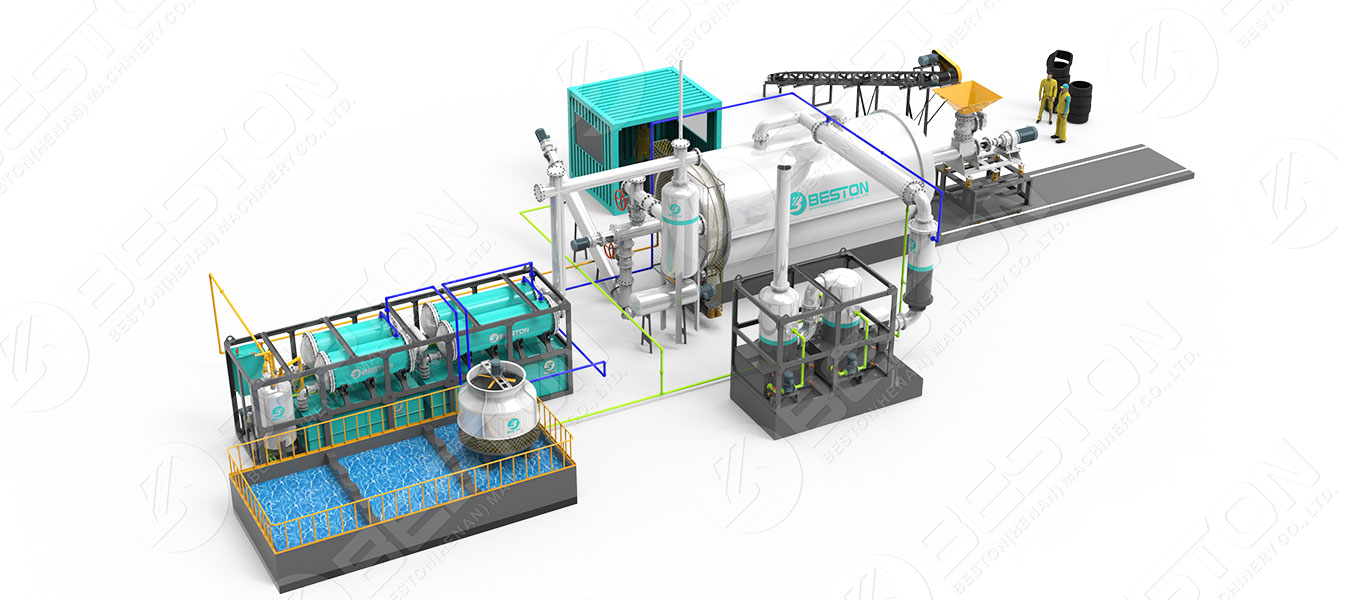
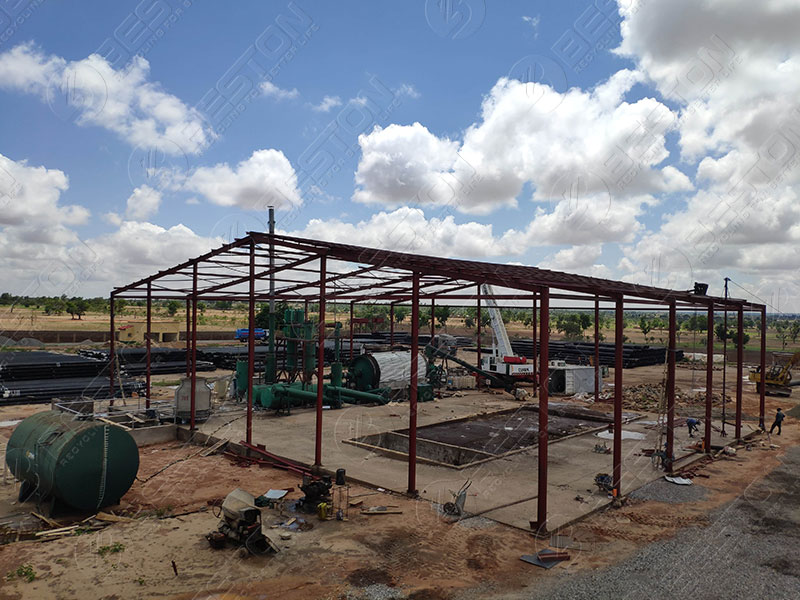
Grill It Right: Charcoal Production Techniques for BBQ Aficionados

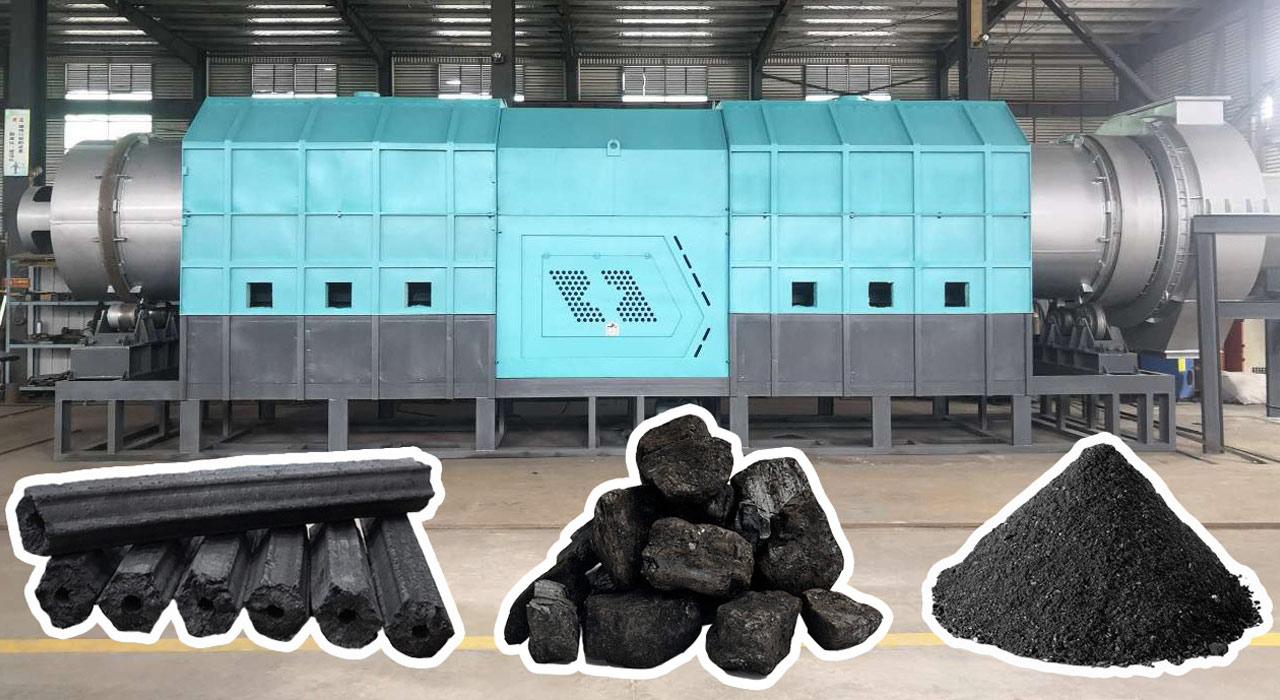
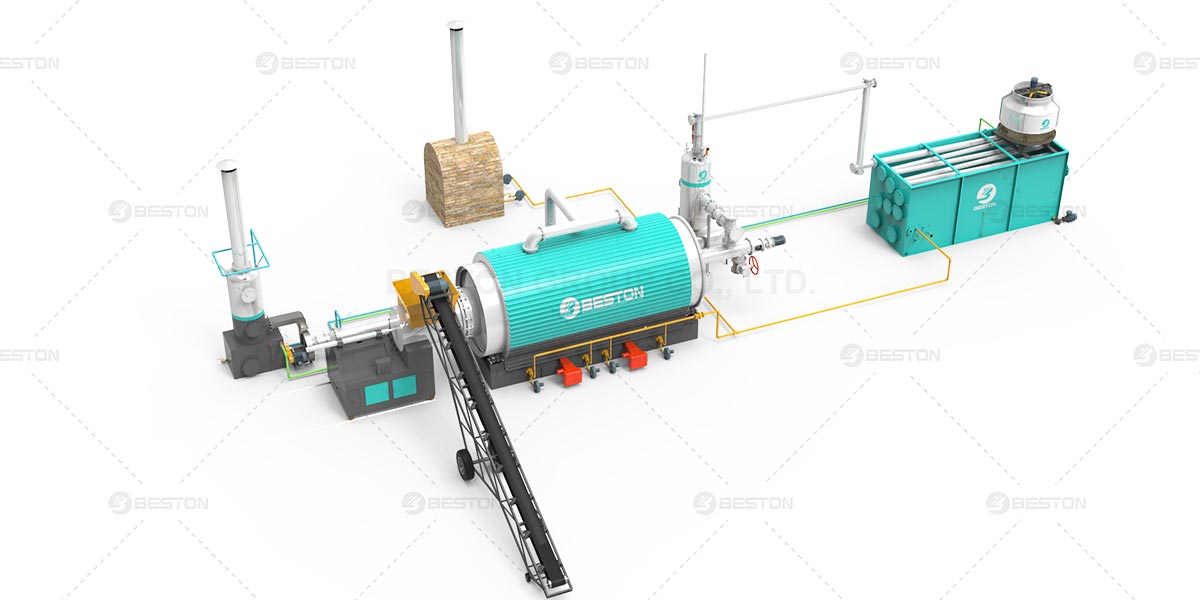
For BBQ aficionados, the art of grilling is more than just a cooking method; it’s a passion, a pursuit of flavor perfection that begins with the foundation-charcoal. While commercial charcoal is readily available, the journey to true BBQ mastery often involves delving into the world of homemade charcoal production. In this comprehensive guide, we’ll explore the techniques, science, and secrets behind crafting your own charcoal, empowering you to elevate your grilling game and become the ultimate BBQ aficionado. The BBQ charcoal making machine is a suitable machine for making BBQ charcoal.

BBQ

BBQ

The Charcoal Basics

Understanding Charcoal’s Role in BBQ

Charcoal is not just a source of heat for grilling; it’s a flavor enhancer. Unlike gas grills, charcoal imparts a distinct smoky flavor to your food, creating that sought-after BBQ essence. Homemade charcoal takes this experience to the next level, allowing you to customize the flavor profile and achieve a level of authenticity that commercial briquettes can’t match.

The Science of Charcoal Combustion

To grill it right, understanding the science behind charcoal combustion is crucial. Charcoal is essentially carbonized wood, and when heated, it undergoes combustion, releasing energy in the form of heat. The temperature and duration of this combustion process influence the characteristics of the resulting charcoal, including its heat intensity and flavor impact.

Choosing the Right Wood for Homemade Charcoal

Hardwoods vs. Softwoods

The choice of wood plays a pivotal role in portable biochar maker. Hardwoods, such as oak, hickory, or fruitwoods, are favored for their density and ability to produce high-quality charcoal with a long burn time. Softwoods, like pine or cedar, burn faster and can impart resinous flavors that may not be ideal for all types of grilling.

Flavor Profiles of Different Woods

Each type of wood contributes unique flavors to the charcoal and, consequently, to your BBQ. Mesquite offers a bold, robust flavor, while fruitwoods like apple or cherry provide a sweet and fruity undertone. Experimenting with various wood types allows you to tailor the flavor of your homemade charcoal to suit different dishes and preferences.

DIY Charcoal Production Techniques

Traditional Charcoal Pits

The Earth Mound Method: This ancient technique involves creating a mound of wood, covering it with soil, and allowing it to smolder. It’s a slow process that requires careful monitoring, but it results in high-quality, natural charcoal.

Kiln Charcoal Production: Constructing a kiln involves stacking wood in airtight chambers and heating it slowly. This controlled environment yields consistent charcoal with minimal impurities.

Homemade Charcoal Briquettes

Binder-Free Briquettes: Combining wood chips with a binder-free substance like flour or starch allows you to create homemade briquettes. These can be shaped using molds and provide a convenient and uniform option for grilling.

Herb-Infused Charcoal: Elevate your charcoal production by infusing herbs or spices into the wood during the carbonization process. This adds an extra layer of flavor to your charcoal and, consequently, to your grilled dishes.

Metal Drum Charcoal Production

Drum Method: Using a metal drum, you can create a simple and effective charcoal production setup. Wood is loaded into the drum, and a controlled burn produces high-quality charcoal.

Double Drum Method: This method involves two drums-one for burning the wood and the other for collecting the charcoal. It provides better control over the combustion process and results in consistent charcoal.

Charcoal for BBQ

Charcoal for BBQ

Controlling Combustion for Quality Charcoal

Temperature Control

Controlling the temperature during the combustion process is crucial for achieving high-quality charcoal. Too high a temperature can result in excessive ash and impurities, while too low a temperature may yield undercarbonized wood.

Oxygen Regulation

Oxygen plays a critical role in combustion. By regulating airflow during the charcoal production process, you can control the rate of combustion and achieve the desired level of carbonization. Experimenting with different airflow configurations allows you to fine-tune your homemade charcoal.

Monitoring Wood Moisture Content

High moisture content in the wood can impede combustion and lead to incomplete carbonization. Ideally, wood for charcoal production should be seasoned or dried to a specific moisture level, ensuring efficient combustion and consistent charcoal quality.

Quality Control: Assessing Homemade Charcoal

Visual Inspection

Visual cues are indicative of charcoal quality. Well-made charcoal should have a consistent appearance, free from excessive ash or uncarbonized wood. The color of the charcoal, typically black or dark gray, reflects the degree of carbonization.

Sound Test

Gently tapping two pieces of charcoal together produces a distinct sound. High-quality charcoal tends to produce a sharp, metallic sound, indicating a dense and well-carbonized structure.

Burn Rate and Heat Intensity

Testing the burn rate and heat intensity of your homemade charcoal is essential for understanding its performance. Consistent heat and a steady burn are key indicators of well-made charcoal.

The Art of Flavor Infusion

Soaking Wood Chips in Flavorful Liquids

Elevate the flavor of your BBQ by infusing wood chips with flavorful liquids before adding them to your charcoal. Options include beer, wine, fruit juices, or even marinades. This additional layer of flavor adds complexity to your grilling experience.

Herb and Spice Smokes

Experimenting with herb and spice smokes introduces aromatic elements to your BBQ. Lavender, rosemary, or even cinnamon sticks can be added to the charcoal for a unique and fragrant touch to your grilled dishes.

Tips for Safe and Efficient Homemade Charcoal Production

Safety Considerations

Ventilation: Ensure proper ventilation in the charcoal production area to avoid the buildup of harmful gases.

Fire Safety: Keep fire safety measures in place, including fire extinguishers and emergency plans.

Protective Gear: Wear appropriate protective gear, including gloves and eye protection, when handling hot materials.

Environmental Impact

Sustainable Wood Sourcing: Choose sustainably sourced wood to minimize the environmental impact of charcoal production.

Waste Utilization: Explore ways to utilize by-products, such as wood ash, for gardening or composting.

Equipment Maintenance

Regularly maintain coconut charcoal machine, such as kilns or drums, to ensure consistent performance and safe operation.

Conclusion: Mastering the Art of Homemade Charcoal

In the world of BBQ, mastering the art of homemade charcoal production is a journey of experimentation, science, and flavor exploration. By understanding the nuances of wood selection, combustion control, and flavor infusion, you can elevate your grilling experience to new heights. So, grill it right-craft your own charcoal, experiment with flavors, and savor the satisfaction of creating BBQ masterpieces that reflect your unique style and passion for the grill. Happy grilling!
Nurturing Earth: Unveiling the Symphony of Soil Renewal with Biochar

Genesis of Biochar: A Carbon-Rich Alchemy

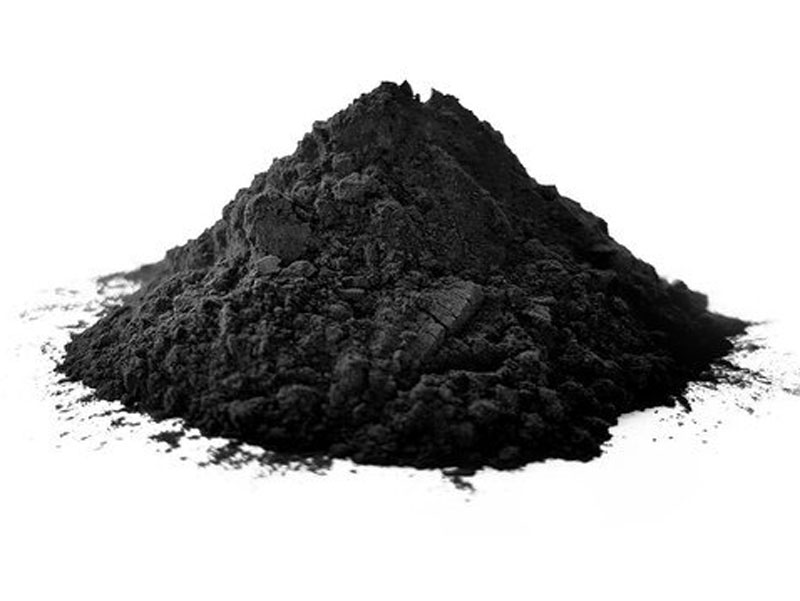
Biochar, a byproduct of pyrolysis, is not merely charcoal; it is a carbon-rich substance crafted through the controlled burning of organic materials such as wood or agricultural waste. This seemingly simple creation process unlocks a wealth of benefits when introduced to the soil.

At a microscopic level, the porous structure of biochar resembles a bustling metropolis for microorganisms, facilitated by the finely tuned mechanisms of the biochar machine. This intricate network provides a haven for beneficial bacteria and fungi, fostering a dynamic ecosystem within the soil. The symbiotic relationship initiated by the biochar production equipment sets off a cascade of positive effects, ranging from nutrient retention to enhanced water absorption.

Biochar

Biochar to Soil: A Dynamic Duo

1. Biochar’s Water-Wise Wizardry
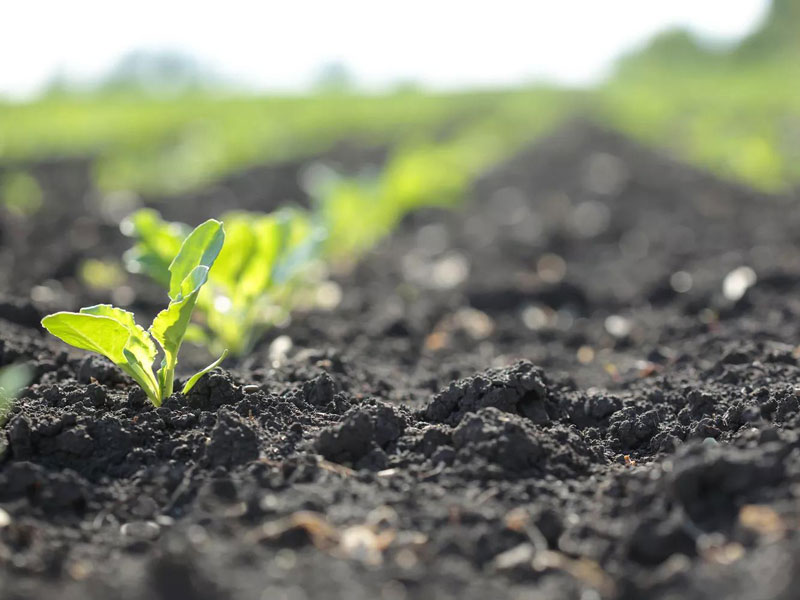
In arid landscapes or regions prone to drought, biochar emerges as a water-wise wizard. Its porous structure acts as a reservoir, holding water like a diligent custodian and gradually releasing it to the surrounding soil. This water retention capability not only sustains plant life during dry spells but also minimizes the risk of soil erosion.

2. Nourishing Nutrient Exchange
The marriage of biochar and soil initiates a nutrient exchange ballet. The porous pockets of biochar provide a cozy refuge for essential nutrients like nitrogen and phosphorus, preventing their leaching into groundwater. Simultaneously, these nutrients become readily available to plant roots, creating a harmonious cycle that enriches the soil and promotes robust plant growth.

3. Carbon Sequestration Symphony
Beyond its immediate impact on soil health, biochar from biomass carbonization machine contributes to the broader environmental symphony by locking carbon away. By sequestering carbon in the soil, it mitigates the release of greenhouse gases into the atmosphere, offering a sustainable solution to combat climate change.

Use Biochar as Fertilizer

A Journey into Soil Restoration

1. Healing Degraded Soils
The versatility of biochar extends beyond merely enhancing fertile soils; it serves as a healing balm for degraded and nutrient-starved grounds. Its introduction kickstarts a rejuvenation process, gradually transforming barren lands into thriving ecosystems capable of supporting diverse flora.

2. Remediating Contaminated Soils
The remediation potential of biochar shines brightly when faced with soil contaminated by heavy metals or pollutants. Its adsorption capabilities act like molecular magnets, attracting and immobilizing harmful substances, thereby detoxifying the soil and rendering it conducive for sustainable agricultural practices.

Implementing Biochar to Soil: A Strategic Approach

1. Tailoring Biochar for Specific Soils
Acknowledging the diverse nature of soils, it becomes imperative to tailor biochar applications accordingly. The size, source, and production method of biochar which is produced by wood/reice husk/straw/coconut shell charcoal machine can be optimized to address specific soil deficiencies, ensuring a customized and effective approach.

2. Integrating Biochar into Agricultural Practices
For the agricultural community, embracing biochar entails a strategic integration into existing practices. This could range from incorporating it into traditional composting methods to exploring precision agriculture techniques that maximize the impact of biochar on crop yields.

3. Collaborative Research for Continuous Improvement
As we delve deeper into the realm of biochar to soil applications, collaborative research becomes the linchpin for progress. Ongoing studies on its long-term effects, optimal application rates, and diverse soil interactions are essential to refine and optimize its use for sustainable soil management.

Invest in Beston Biomass Pyrolysis Plant

Closing Thoughts: Paving the Way for Sustainable Agriculture

The journey from biochar to soil is not merely a scientific expedition; it’s a testament to our commitment to cultivating a sustainable and resilient future. As we unlock the potential of biochar to breathe life into the very foundation of agriculture, we embark on a path toward regenerative practices that harmonize with the environment. The dance between biochar and soil is a symphony of restoration, a melody that, when orchestrated with precision, holds the promise of greener pastures and a healthier planet for generations to come.


How Charcoal Making Machine Achieves Energy Efficiency and Emission Reduction

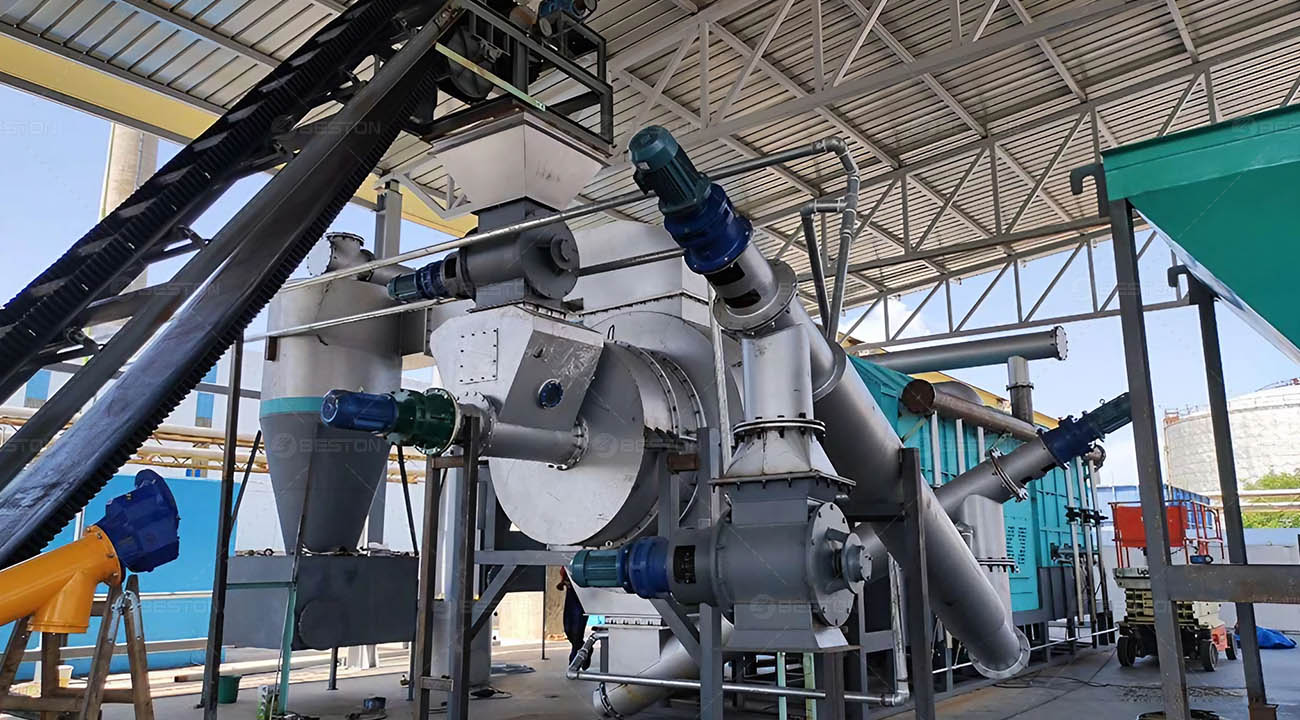
In an era where environmental consciousness and sustainable practices take precedence, various industries are actively exploring innovative ways to reduce their carbon footprint and optimize resource utilization. Among these endeavors, the domain of charcoal production has witnessed significant advancements through the incorporation of modern charcoal making machine. These cutting-edge devices are revolutionizing conventional carbonization processes, ushering in a new era focused on energy efficiency and environmental preservation.

Introduction

Brief Overview of Charcoal Making Machine

Charcoal making machines represent a leap forward in biomass conversion technology. They facilitate the controlled pyrolysis of diverse organic materials, converting them into high-quality charcoal products. These machines cater to the growing demand for charcoal while addressing environmental concerns associated with traditional methods.

The Significance of Energy Efficiency and Emission Reduction

Historically, charcoal production processes were energy-intensive and emitted substantial pollutants. The contemporary emphasis on energy efficiency and emission reduction highlights the need to minimize resource consumption and mitigate environmental impact.Beston Charcoal Making Machine forSale

Energy-Saving Mechanisms

Advanced Heating Technology

  • Induction Heating: Charcoal making machine incorporates induction heating, an electromagnetic method that efficiently transfers thermal energy. This technology minimizes energy wastage and accelerates the carbonization process.
  • Microwaves and Radio Frequency Heating: These machines utilize microwaves and radio frequencies to resonate with biomass molecules, generating heat efficiently. This leads to reduced energy consumption and shorter production cycles.

Efficient Insulation Materials

  • Aerogels: Lightweight and highly porous, aerogels possess exceptional thermal insulating properties. Integration of aerogel insulation minimizes heat losses during carbonization, enhancing energy efficiency.
  • Vacuum Panels: Vacuum insulation panels, operating in reduced pressure environments, offer superior insulation. Their integration reduces thermal energy losses, maintaining optimal temperatures and conserving energy.

The amalgamation of advanced heating technologies and innovative insulation materials within charcoal making machine exemplifies their commitment to energy saving and operational efficiency.

Process Optimization for Emission Reduction

Closed-Loop Systems

  • Gas Collection and Recycling: Biochar production equipment incorporates closed-loop systems to capture and recycle volatile gases emitted during carbonization. This minimizes emissions and recovers additional energy.
  • Minimizing Volatile Organic Compounds (VOCs): Precise process control and temperature regulation reduce VOC formation and release, contributing to reduced atmospheric pollution.

Catalyst Utilization

  • Zeolites: Porous zeolites serve as catalysts within charcoal making machine, aiding the breakdown of complex organic molecules. This leads to cleaner and more efficient carbonization processes.
  • Activated Carbon Catalysts: Specialized catalysts enhance the conversion of volatile components into desirable products, preventing the escape of harmful emissions.

The integration of closed-loop systems and catalysts in charcoal making machine underscores their commitment to substantial emission reduction and environmental preservation.Beston Biochar Production Equipment for Sale

Automation and Control Systems

Real-Time Monitoring

  • Sensors and IoT Integration: Charcoal making machine employs sensors to monitor temperature, gas composition, and pressure in real-time. Data integration into the Internet of Things (IoT) framework enables informed decision-making.
  • Data Analytics for Process Optimization: Collected data undergoes advanced analytics, identifying trends and patterns. This optimization enhances energy-saving practices and emission reduction efforts.

Adaptive Control Strategies

  • Feedback Loops: Machines use feedback control loops to adjust process parameters based on real-time data. This dynamic adaptation optimizes resource consumption and minimizes emissions.
  • Machine Learning Algorithms: Leveraging machine learning, these machines refine operational strategies, yielding predictive insights for energy efficiency and emission reduction.

Sustainable Feedstock Selection

Biomass Sources

  • Agricultural Residues: Charcoal making machine, also called biomass pyrolysis plant,  accommodate diverse biomass feedstocks, including crop straws and husks. This repurposes waste, reduces landfill load, and promotes sustainable resource management.
  • Forestry By-Products: The machines process forestry by-products like sawdust and wood chips, efficiently utilizing wood resources and preventing deforestation.

Impact on Carbon Footprint

  • Life Cycle Analysis: Charcoal making machines undergo life cycle assessments to quantify environmental impact. This analysis evaluates energy consumption, emissions, and resource use, offering a comprehensive understanding of their carbon footprint.
  • Carbon Sequestration Potential: Charcoal produced by these machines contributes to carbon sequestration by retaining biomass carbon. This enhances their role in mitigating climate change.

Regulatory Compliance and Certification

International Standards

  • ISO Certifications: Charcoal making machines adhere to ISO standards for energy efficiency and emission reduction. These certifications validate compliance with globally recognized sustainability benchmarks.
  • Environmental Protection Guidelines: The machines align with regulatory environmental protection guidelines, reinforcing responsible and eco-friendly operations. If you are willing to invest, we recommend that you choose Beston Group Co., Ltd.. It is an experienced enterprise dedicated to environmental protection equipment.

Importance of Regulation Adherence

  • Legal Implications: Complying with energy and emission regulations ensures legality and prevents penalties. Charcoal making machines play a pivotal role in responsible industrial practices.

As technology evolves, charcoal making machines continue to lead the charge in achieving energy efficiency and emission reduction, contributing to a more sustainable future.

Why Buy a Waste Plastic Pyrolysis Plant

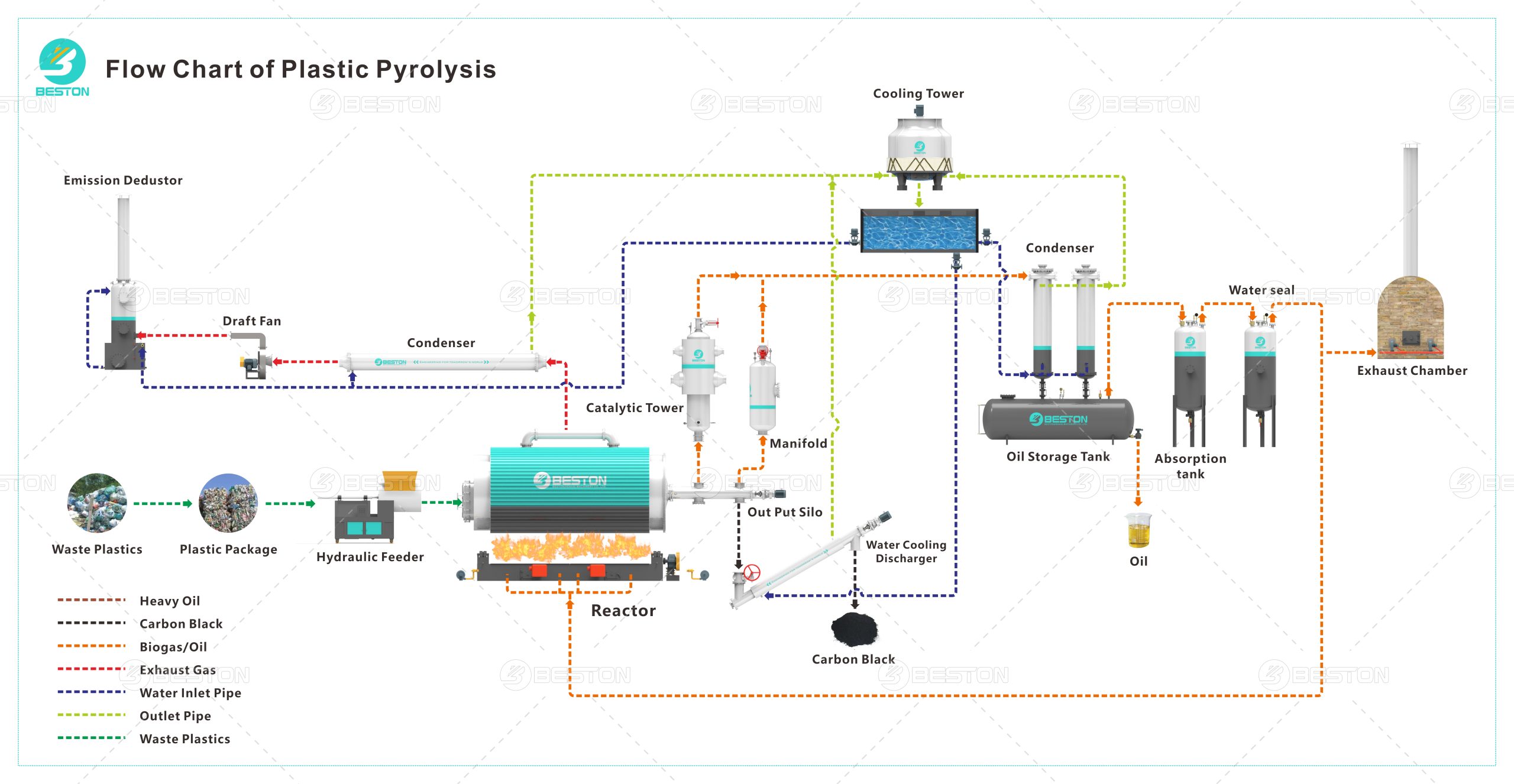
Waste plastic pyrolysis refers to the process of thermally decomposing plastic materials in the absence of oxygen. This controlled process converts plastic waste into valuable end products, offering a sustainable solution to the plastic waste crisis.

This article aims to explore the benefits of investing in a waste plastic pyrolysis plant as a means to combat plastic waste. By delving into the environmental impact of plastic waste and the applications of pyrolysis products, we will highlight the reasons why purchasing a pyrolysis plant can be a game-changer in addressing the plastic waste crisis.

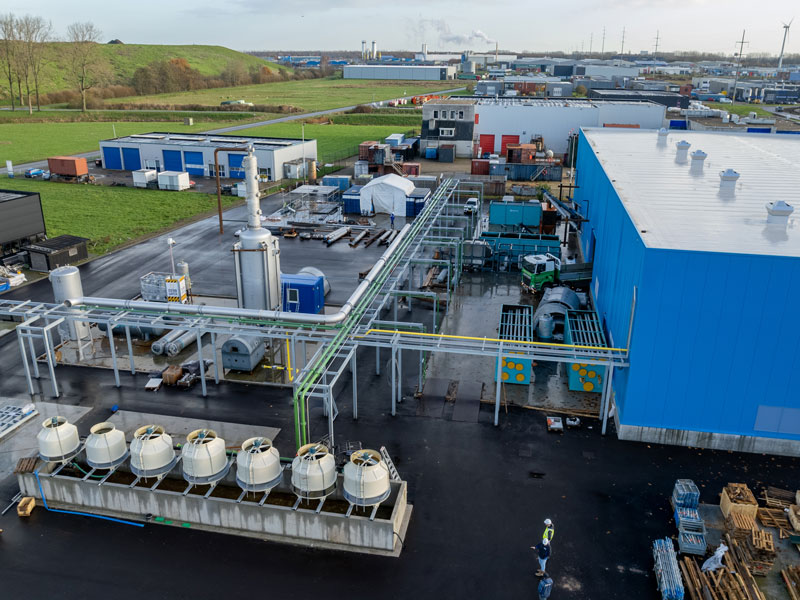
Beston-BLL-16-Pyrolysis-Plants-Installed-in-Netherlands

Understanding Waste Plastic Pyrolysis

Explaining the Pyrolysis Process

Pyrolysis is a thermal decomposition process that occurs in the absence of oxygen. It involves heating plastic waste to high temperatures, causing the material to break down into its constituent components.

Benefits of Waste Plastic Pyrolysis

Reducing Plastic Waste Volume

Waste plastic pyrolysis significantly reduces the volume of plastic waste by converting it into valuable end products. This diversion from landfills and incineration helps alleviate the burden on waste management systems.

Generating Useful Resources

Pyrolysis produces various valuable end products, including pyrolysis oil, carbon black, gas, and char. These products have diverse applications and can be utilized in industries such as energy, manufacturing, and transportation.

Energy Recovery through Pyrolysis

The process of pyrolysis enables the recovery of energy from plastic waste. The gas and char produced during pyrolysis can be utilized as fuel sources for energy generation, reducing dependence on fossil fuels.

Plastic pyrolysis process

Applications of Waste Plastic Pyrolysis Products – Pyrolysis Oil

Pyrolysis oil, also known as plastic oil or fuel oil, is a major product of the pyrolysis process. It has properties similar to traditional fossil fuels and can be used in various applications.

Fuel for Industrial Processes

Pyrolysis oil can be used as a fuel source in industrial processes, providing an alternative to conventional fossil fuels. It can power boilers, furnaces, and other equipment, reducing reliance on non-renewable energy sources.

Feedstock for Refineries

Pyrolysis oil can serve as a feedstock for refineries, where it can undergo further processing to produce high-quality fuels, such as gasoline, diesel, and jet fuel.

Blending Agent for Diesel

Pyrolysis oil can be blended with diesel fuel, improving its combustion properties and reducing emissions. This blend, known as “bio-diesel,” offers a greener alternative to conventional diesel.

Factors to Consider When Buying a Waste Plastic Pyrolysis Plant

Investing in a waste plastic pyrolysis plant requires careful consideration of several factors to ensure a successful and sustainable operation.

Plant Capacity and Scalability

The capacity of the pyrolysis plant should align with the volume of plastic waste you aim to process. It is essential to choose a plant size that suits your requirements and allows for scalability as your business grows.

Pyrolysis Technology and Efficiency

Different pyrolysis technologies exist, each with its own advantages and efficiency levels. Evaluating the technology employed by the plant and its efficiency in terms of plastic-to-product conversion rate and energy consumption is crucial.

Safety and Environmental Standards

Ensuring that the pyrolysis plant meets safety and environmental standards is paramount. Compliance with regulations and certifications guarantees the safe operation of the plant and minimizes any negative environmental impacts.

Operational Costs and Return on Investment

Considering the operational costs, including raw material, energy, and maintenance expenses, is crucial for assessing the financial viability of the pyrolysis plant. Evaluating the potential return on investment and payback period is essential to make an informed decision.

Support and After-Sales Service

Choosing a reputable manufacturer that offers comprehensive support and after-sales service is vital for the smooth operation, maintenance, and troubleshooting of the pyrolysis plant. Having access to technical expertise and spare parts ensures minimal downtime and maximizes plant efficiency. If you want to choose a plastic pyrolysis equipment supplier with advanced equipment and comprehensive services, it must be Beston Group.

Conclusion

In conclusion, investing in a waste plastic pyrolysis plant offers a promising solution to combat the plastic waste crisis. By reducing the volume of plastic waste, generating valuable end products, and enabling energy recovery, pyrolysis plants contribute to a circular economy and environmental sustainability. It is crucial for individuals and businesses to recognize the importance of adopting innovative technologies and taking responsibility for managing plastic waste. By embracing waste plastic pyrolysis, we can pave the way for a cleaner, greener future.

How to Buy Mobile Biochar Machines on a Tight Budget

If you’re interested in the production of biochar but find yourself on a tight budget, don’t worry! With careful planning and research, it’s still possible to acquire mobile biochar machines without breaking the bank. In this post, we’ll provide you with some helpful tips on purchasing mobile biochar machines on a limited budget.

Define Your Budget: Start by establishing a clear budget for your mobile biochar machine purchase. Determine the maximum amount you can allocate for this investment. By setting a budget from the outset, you can focus your search on options that align with your financial capabilities.

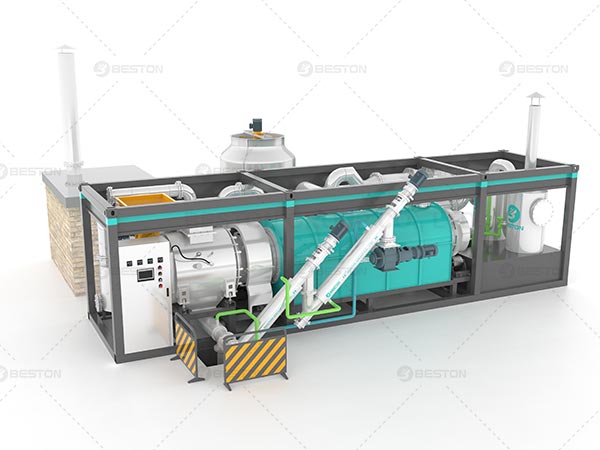
BST-05 PRO Mobile Charcoal Machine

BST-05 PRO Mobile Charcoal Machine

Prioritize Essential Features: Identify the key features and specifications that are essential for your biochar production needs. Focus on functionalities and capabilities that directly impact the quality and efficiency of the machine. By prioritizing essential features, you can avoid unnecessary expenses associated with additional bells and whistles that may not be crucial for your specific requirements.

Research Different Suppliers: Conduct thorough research on various suppliers of mobile biochar machines. Compare their offerings, prices, and reputation in the industry. Look for suppliers who specialize in cost-effective solutions without compromising quality and reliability. Reading customer reviews and seeking recommendations can help you narrow down your options and find reputable suppliers.

Consider Used Equipment: Explore the option of purchasing used or refurbished mobile biochar machines. Many suppliers offer reliable pre-owned equipment at lower prices. However, exercise caution when buying used machinery. Inspect the equipment thoroughly, inquire about its maintenance history, and if possible, request a demonstration to ensure it meets your standards. See the biochar production process.

Explore Financing Options: If your budget is extremely limited, investigate financing options. Some suppliers may offer financing plans, leasing options, or installment payment arrangements to help you spread out the cost over time. These options can make the investment more manageable and allow you to acquire the mobile biochar machine while preserving your cash flow.

Consider Collaborative Purchasing: Explore the possibility of collaborating with other individuals or organizations that share your interest in biochar production. By pooling resources and purchasing a mobile biochar machine collectively, you can share the costs and reduce the financial burden for everyone involved.

Seek Government Support or Grants: Investigate whether there are any government programs, subsidies, or grants available to support sustainable initiatives or renewable energy projects like biochar production. These programs can provide financial assistance or tax incentives, making it more affordable for you to acquire a mobile biochar machine.

Evaluate Long-Term Savings: Consider the long-term cost-saving potential of a mobile biochar machine. Although the initial investment may seem significant, the cost-efficiency and profitability of biochar production can offset this expense over time. Factor in the potential savings from waste disposal, reduced fertilizer usage, and the sale of biochar products when evaluating the overall affordability.

By following these tips, you can navigate the market for mobile biochar machines and find affordable options that suit your budget. Remember, cost-effectiveness doesn’t mean compromising on quality or efficiency. With careful planning, research, and consideration of your specific needs, you can successfully purchase a mobile biochar machine on a tight budget and embark on a sustainable and rewarding biochar production journey. View other option https://bestonmachinery.com/charcoal-making-machine/jute-stick/.

Charcoal Making Machine is Your Good Investment to Grow

Are you searching for a business venture that offers tremendous growth potential while contributing to environmental sustainability? Look no further! The charcoal making machine is the perfect solution to propel your business towards success in the rapidly expanding market for sustainable charcoal production.

Charcoal, renowned for its diverse applications in cooking, heating, and even as an ingredient in beauty and healthcare products, continues to witness soaring demand worldwide. However, the traditional methods of charcoal production often involve destructive practices like deforestation and the release of harmful pollutants into the atmosphere. This is where the charcoal making machine steps in as a game-changer.

Beston Charcoal Making Machine for Sale in South Korea

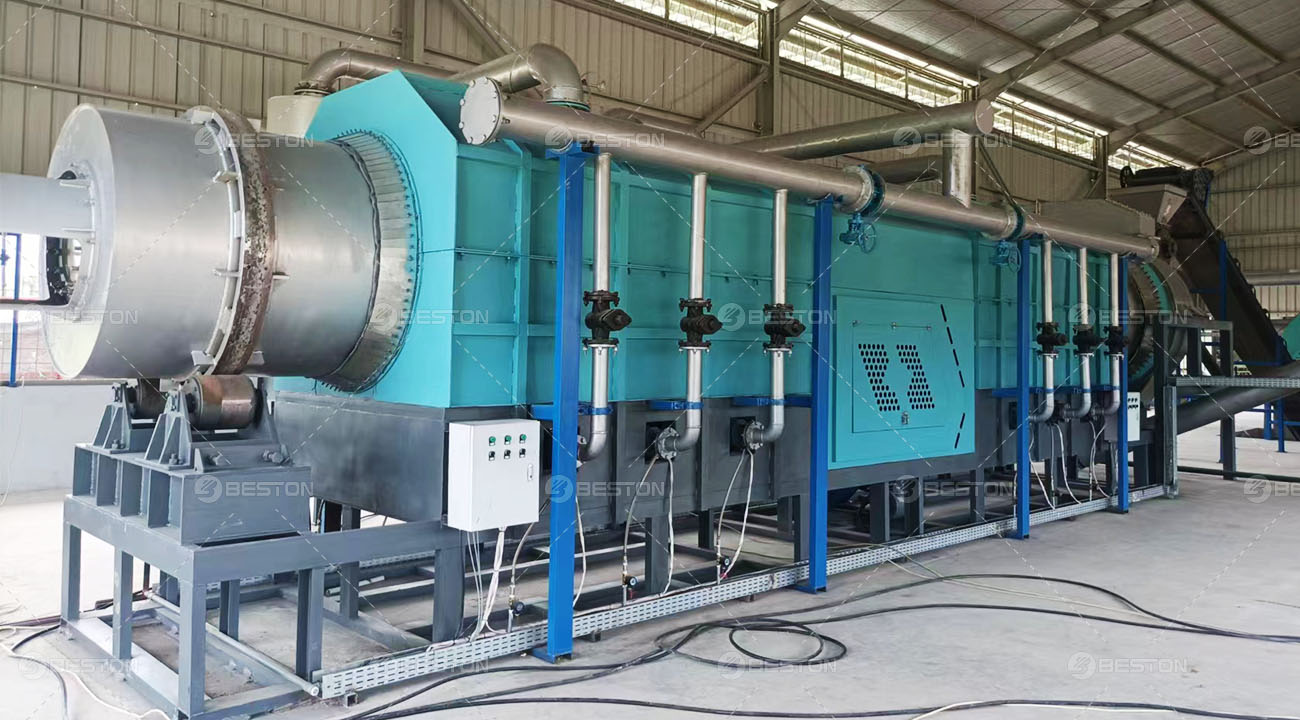
Beston Charcoal Making Machine for Sale

Investing in a charcoal making machine offers a multitude of benefits for your business:

environmentally friendly: with growing environmental concerns, businesses that prioritize sustainability gain a competitive edge. The charcoal making machine utilizes advanced technologies, such as pyrolysis, to convert biomass waste, such as wood chips, sawdust, or agricultural residues, into high-quality charcoal. This process is not only efficient but also significantly reduces carbon emissions and contributes to the conservation of forests.

Versatility and profitability: the charcoal making machine provides you with a versatile product range. Apart from producing traditional lump charcoal, it can manufacture charcoal briquettes, activated charcoal, and even biochar. These products find applications in industries such as cooking, barbecues, water filtration, soil improvement, and more. By diversifying your product portfolio, you tap into multiple markets, maximizing profitability and growth opportunities. View this type: https://www.bestongroup.com/wood-charcoal-making-machine/.

Charcoal Making Machine

Charcoal Making Machine

Cost-effectiveness: the charcoal making machine offers a cost-effective solution by utilizing abundant and often underutilized biomass waste as raw materials. This eliminates the need for expensive charcoal procurement or logging operations. Moreover, the machine operates on a continuous or batch basis, ensuring consistent production and optimizing your operational costs.

Market demand: the demand for sustainable and eco-friendly products is skyrocketing. Consumers are increasingly seeking alternatives to traditional charcoal due to environmental concerns and health considerations. By embracing the charcoal making machine, you position your business as a leader in providing sustainable, high-quality charcoal products, catering to the evolving needs and preferences of conscious consumers.

Government support: governments across the globe are implementing policies and regulations to encourage sustainable practices. By investing in a charcoal making machine, you may qualify for grants, incentives, and support programs aimed at promoting renewable energy and reducing deforestation. This support not only bolsters your financial prospects but also enhances your business reputation.

The charcoal making machine is not just a means to grow your business; it’s a stepping stone towards a greener, more sustainable future. By offering environmentally friendly alternatives to traditional charcoal production methods, you contribute to combating deforestation, reducing carbon emissions, and preserving our natural resources. View this product: https://www.bestongroup.com/charcoal-making-machine-in-the-philippines/.

If you are ready to take your business to new heights, seize the opportunity with a charcoal making machine. Embrace sustainable charcoal production, tap into the expanding market demand, and make a positive impact on the environment. The time to act is now!

Don’t miss out on the chance to grow your business while championing sustainability. Invest in a charcoal making machine today and embark on a path of success and environmental stewardship.

7 Essential Tips for Choosing a Charcoal Making Machine for Sale

A charcoal making machine can convert a wide range of raw materials into charcoal. Buying the right machine can reduce your production costs and increase your revenue. It is, therefore, crucial to do your due diligence before choosing your charcoal making machine for sale. Read on to discover the essential tips for choosing the right charcoal making machine for sale:

Charcoal Making Machine

Charcoal Making Machine

1. Determine Your Budget

You have to determine your budget before choosing your charcoal making machine. Creating your budget can save you time and money. You will not waste your time checking out the machines that are out of your price range. You will just compare the machines within your price range.

2. Choose the Right Seller

It is easy to find several sellers of charcoal making machines. It is, however, not easy to choose the right seller. You will have to check the reputation and experience of the seller. The best sellers have a good reputation. They have affordable machines. And they provide the best service. Choose the right seller to get the best coconut shell charcoal making machine.

3. Inspect the Machine

Do not assume the machine is in good condition. There are untrustworthy manufacturers. They make poor-quality machines. Do not let the appearance of these machines fool you. It is better to hire a professional inspector to inspect the machine. If the machine is in good condition, you can purchase it.

4. Read Customer Reviews

If you cannot afford to hire a professional inspector, you can read online customer reviews. The customer reviews are written by people who have used these machines. They share their experience with their machines and even the manufacturers. You can choose a charcoal making machine with good online reviews.

5. Check the Manufacturer

Do not just check the reputation of the seller. It is even better to check the rice husk charcoal machine manufacturer. It is easy to trust some manufacturers. Why? They have been making charcoal making machines for years. They have a good reputation since they make high-quality machines. People love their machines. Choose machines from these manufacturers.

BST-05 PRO Mobile Charcoal Machine

BST-05 PRO Mobile Charcoal Machine

6. The Warranty

It is essential to check the warranty before choosing your machine. You need to consider the length and what the warranty covers. If you get the best deal on warranty, you will never have to worry about losing your hard-earned money. If the machine does not come with a warranty, do not choose the machine.

7. New or Second-Hand Machinery?

You have to decide whether to buy a new or second-hand charcoal making machine. If you have a small budget, you can purchase second-hand machinery. It is, however, very important to inspect the second-hand machine to ensure it is in good condition. It costs more money to purchase a new machine. It can, however, last for a long time.

Conclusion

Choosing the right charcoal making machine for sale can save you more money in the long term. You will not spend so much money to maintain your machine. The machine can, therefore, serve your business for a long time. It is, therefore, essential to buy your sawdust charcoal making machine from a good manufacturer. The manufacturer can provide after-sale services to reduce your maintenance costs.

What Factors Affect Pyrolysis Plant Cost?

When it comes to waste disposal, there are a lot of options to choose from. You can incinerate the waste, bury it, or recycle it. If you want to recycle the waste, you can use a pyrolysis plant cost. Pyrolysis is a process that breaks down organic matter into simpler molecules by heating it in the absence of oxygen. This process can be used to produce fuel, fertilizer, and other products. The cost of a pyrolysis plant varies depending on the size and type of plant. However, pyrolysis is becoming an increasingly popular way to dispose of waste.

The Cost Of A Pyrolysis Plant

One reasons why pyrolysis plants are still not widely adopted is because the investment and running costs are relatively high. But as we become more aware of environmental issues, the pyrolysis plant cost is slowly coming down.

Pyrolysis Plant Cost

Pyrolysis Plant Cost

The cost of a pyrolysis plant depends on the size and type of the plant. Small plants can cost as little as $30,000, while large-scale plants can cost up to $5 million.

The running costs of a pyrolysis plant are also quite high. The plants need a lot of energy to run, and the waste products produced by the process are often hazardous. This means that pyrolysis plants need to be located in areas where there is a lot of space and where the waste products can be safely disposed of.

Despite the high cost of pyrolysis plants, they are becoming increasingly popular. This is because pyrolysis is a very effective way of disposing of waste. The process can be used to produce a range of products, and it is a very clean way of disposing of waste. Pyrolysis plants are also much more efficient than incineration plants, and they produce very little pollution.

If you are considering setting up a pyrolysis plant for sale, it is important to weigh up the costs and benefits. The initial investment may be high, but the running costs are relatively low. No to mention, the plant will also have a very positive impact on the environment.

How To Choose The Right Pyrolysis Plant For Your Needs

When it comes to choosing a pyrolysis plant, there are a few things you need to take into consideration. The first is the size of the plant. You need to make sure that the plant is big enough to handle the amount of waste you want to dispose of. You must also determine the types of waste you want to dispose of. Different plants are designed to handle different types of waste.

The second thing you need to consider is the cost of the plant. As mentioned before, the cost of a pyrolysis plant can vary depending on the size and type of the plant. You need to make sure that the plant you choose is within your budget while ensuring that it has the features you need. More information on Beston Group here.

BLL-20 Installed in Romania

BLL-20 Installed in Romania

The location of the plant must be carefully chosen as well. The ideal location for a pyrolysis plant is an industrial area where there is a lot of space. This allows you to safely dispose of the waste products produced by the plant.

Lastly, you need to think of the type of products you want to produce. Different plants produce different types of products, so make sure that the tyre pyrolysis plant you choose can produce the products you need.

Factors That Affect The Price Of A Pulp Molding Machine

Are you searching for information on the pulp molding machine price? Why do you need this machine? Are you aware of the important differences between different brands? Have you finalized the specifications? Do you have a fixed budget?

Beston Egg Tray Machine

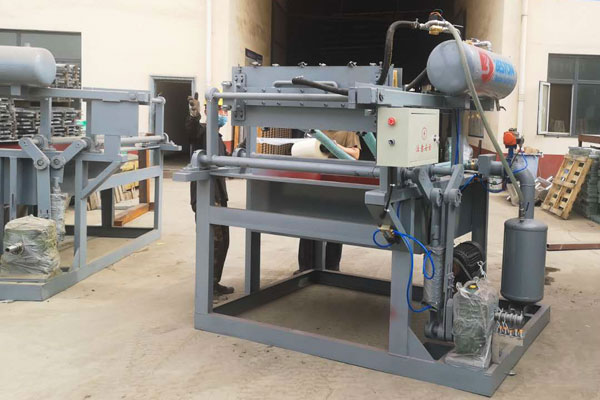
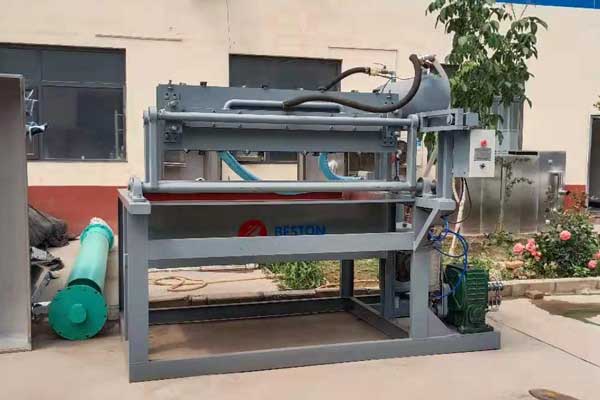
A pulp molding machine is known by a variety of names. Essentially, this machine is capable of molding the pulp into the desired shape and that shape is dependent on the type of mold that is fixed inside the machine. There are a lot of factors that affect the industrial packaging machine price. In this blog post, we will explore these factors and help you focus on the right parameters to get the best value for your money.

Quality of steel

One of the biggest factors that is going to affect the price of this machine is the quality of steel used for manufacturing. Not many people understand that steel has various qualities and that quality dictates the durability of steel.

Lower quality steel obviously is cheaper as compared to higher quality steel. It also means that lower-quality steel is not going to last as long as the higher quality steel. Good quality steel has better corrosion resistance and is able to withstand a lot of compression and tension which means there is less probability of structural failure due to regular wear and tear.

Machines made from better quality steel are obviously going to cost a lot more as compared to machines made from poor quality steel. This is why you should focus on buying a paper tray making machine made from the highest quality steel.

Production capacity of the machine

The other factor that affects the price of this machine is its production capacity are a number of pieces that can be produced with the help of these machines per hour or per day. There are machines that can output up to 1000 pieces of product per hour but there are also machines that are capable of producing up to 10,000 pieces per hour. Production capacity also depends on the number of forming molds inside the machine. High-capacity egg tray machines for sale are obviously going to have a much higher quantity of forming molds.

Fuel consumption and yield efficiency

Machines that are more fuel-efficient are obviously going to cost more as compared to less fuel-efficient machines. Fuel efficiency not only depends on the design of the machine but also on the quality of the material used for making various components. Machines with lower fuel efficiency are obviously going to be cheaper but eventually, you will come out on top with a machine that has excellent fuel efficiency.

BTF1-4 Paper Tray Making Machine to Peru

Manufacturer’s reputation

The reputation of the manufacturing company also plays a role in the price of pulp molding machine. Since it is almost impossible to determine the quality of steel used for making the machine as well as the quality of other components, the only thing you can use to determine the quality of this machine is the reputation of the manufacturer: pulpmouldingmachines.com.

Final Thoughts

Overall, these are some of the factors that dictate the price of a pulp molding machine. If you want to get the best value for your money and set up a strong foundation for long-term success in this business, you should focus on quality of the components, the reputation of the manufacturer and fuel efficiency.

Tips for Choosing a Quality Pyrolysis Plant for Sale in Bolivia

A pyrolysis plant uses modern pyrolysis technology to convert a wide range of waste materials into useful products. If you want to protect the environment, then invest in a pyrolysis plant. It is, however, difficult to choose the best pyrolysis plant for sale in Bolivia.

1. Choose a Good Manufacturer of Pyrolysis Plants

It is easy to find manufacturers of pyrolysis plants(planta de pirólisis). Unfortunately, some manufacturers are unreliable and untrustworthy. Do your due diligence before choosing a manufacturer. A good manufacturer not only produces high-quality pyrolysis plants. It also helps their clients install their pyrolysis plants.

Planta de Pirólisis de llanta - Beston Group

BLL-16 Planta de Pirólisis de llanta Con un honro

Remember, the manufacturer can customize your pyrolysis plant to suit your specific needs. If you want the manufacturer to customize your pyrolysis plant, ask prospective manufacturers if they customize their pyrolysis plants. Also, make sure the manufacturer provides after-sales service.

2. Choose a Reliable Supplier in Bolivia

If you want to purchase your pyrolysis plant(planta pirólisis neumaticos) from suppliers in Bolivia, you need to choose a reliable manufacturer. The supplier gets their pyrolysis plants from overseas manufacturing companies. They get huge discounts from these manufacturers. They sell the pyrolysis plants to their customers in Bolivia.

3. Installation

You need to consider the purpose of your pyrolysis plant. If you want to use your pyrolysis plant for large-scale production, you might want to choose large equipment. It is, however, not easy to install large equipment. Do not install it on your own. Why? Unexpected problems can occur during the installation.


Therefore, ensure the seller handles installation before purchasing their pyrolysis plants for sale. The seller sends their engineers to install their pyrolysis plants. If a problem occurs, they handle the problem quickly. They can properly install your pyrolysis plant. They speed up the installation process, saving you time and money.

4. Visit Multiple Facilities

It is always better to inspect multiple pyrolysis plants(https://www.bestoneco.com/planta-de-reciclaje-de-neumaticos/) before purchasing them. Visiting the facilities of the sellers in Bolivia can help you get a taste of their pyrolysis plants. It is even better to hire an expert to help you inspect the pyrolysis plants. Visiting multiple facilities can help you make the right purchase decision.

However, if the sellers will not show you their pyrolysis plants, do not purchase their pyrolysis plants. They are not transparent. They make it difficult to know the quality of their pyrolysis plants. In addition, you will never know the quality of their customer service.

5. Get Multiple Quotes

If you decide to purchase your pyrolysis plant online in Bolivia, you need to get multiple quotes from different online sellers. Do not rush to choose an online seller. Reputable online sellers have been selling pyrolysis plants for several years. They have built a good reputation over the years.

Planta De Pirólisis BLJ-16

Planta De Pirólisis BLJ-16 en Nigeria

Once you get multiple quotes, compare them. You want to choose an online seller that suits your budget. But ensure they sell genuine and quality pyrolysis plants(www.bestoneco.com). It is even better if they have offices in Bolivia. You can visit their offices before purchasing their pyrolysis plants.

Summary

Purchasing a good pyrolysis plant can help you convert your waste materials into useful products. You can even use your pyrolysis plant for several years.